July 20, 2026
Why would a guest visit your park in July? The industry built its seasonal event business on two premises: that fall needed help and that summer sold itself. This year’s calendar says both have flipped. Guests found a better ticket.
The Holiday Squeeze
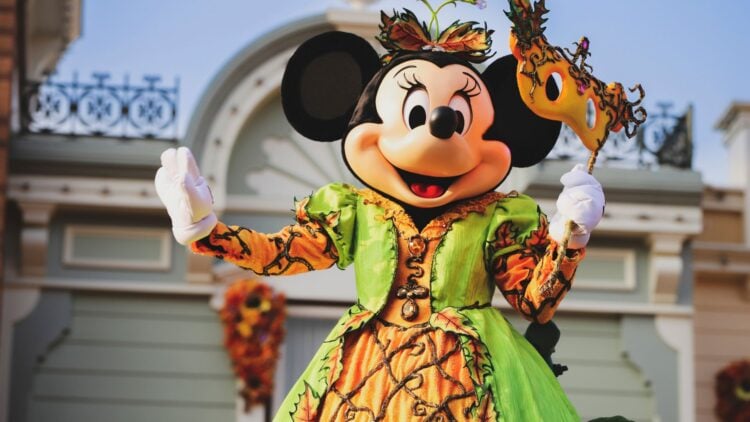
Walt Disney World’s first ticketed Halloween night is August 7, before most kids go back to school. Mickey’s Not-So-Scary Halloween Party runs 38 nights at $119 to $229, the earliest start in the event’s history, and when it ends, Jollywood Nights picks up at Hollywood Studios on November 7 and Mickey’s Very Merry Christmas Party opens at Magic Kingdom on November 8, running through December 22 at $189 to $229. Jollywood extends into January for the first time, closing January 5. Add it up, and Walt Disney World now sells separately ticketed seasonal events across roughly five months of the year, and every one of those calendars set a record this year.
The same pattern holds industry-wide in America. Oogie Boogie Bash opens August 18 at Disney California Adventure with a record 33 nights at $139 to $199, and Halloween Time at Disneyland begins August 21, roughly two weeks earlier than what used to be normal. Halloween Horror Nights in Orlando runs August 28 through November 1, at 48 nights, matching the record set in 2024 and its earliest start ever. Hollywood follows September 3. The weekend after Labor Day brings the biggest single wave of the season. Haunted Attraction Network’s date tracker counts 18 events opening on September 11 and 12 alone, including Halloween Horror Nights Japan, Howl-O-Scream at four SeaWorld and Busch Gardens parks, and large independent haunts like Field of Screams, Woods of Terror, House of Torment, and the 13th Floor locations in Denver, Chicago, Houston, San Antonio, and Jacksonville. The season no longer ends on Halloween either. Fear Farm in Phoenix and 13th Floor Denver run through November 14, which means independent haunts are still selling tickets a full week after Disney World’s Christmas parties have opened.
The industry built these events to fill a shoulder season. Halloween programming existed to generate revenue between the end of summer, when kids went back to school, and the winter holidays. Operators spent years convincing guests that September and October were worth a visit.
That job is done, and the calendar now suggests the problem has moved. The season that needs defending is summer.
The Value Equation Flipped
A summer visit buys the core product. An August Halloween ticket buys the core product plus a parade, a fireworks show, trick-or-treat trails, a stage show, and exclusive merchandise, all starting at 6 p.m. when the sun is going down.
When I attended Mickey’s Not-So-Scary last August, guests were buying Magic Kingdom at a survivable temperature more than they were buying Halloween. The event ticket has become the cheapest way to experience the park without the midday heat, and heat is trending only one direction (at this point, weather is on our Theme Park earning bingo card).
So what is summer for?
If the event ticket is the better buy for five months of the year, summer becomes the season that sells the base product alone, at full price, in the worst weather, against the most competition.
Summer Is No Longer Competitive
Summer used to be the season when a theme park was the default family outing. It is now the most crowded quarter on the entertainment calendar. Anime Expo posted a record 422,000 turnstile attendance over four days in Los Angeles this July, up from 410,000 last year, with an estimated $115 million economic impact. FIFA programming, conventions, concerts, museums, movies in the park, and free civic events all sell against a park’s summer gate, most of them air-conditioned or after dark, many of them cheaper.
Halloween events sell into the opposite condition. We have long observed that haunted attractions perform well in the first week of November precisely because the competing parties, festivals, and street fairs have ended. The August party ticket works the same way. There is a lot to do in July. There is very little to do on a Tuesday night in late August.
Where the New Product Went
Parks used to answer summer competition with spring openings. The old marketing discipline was that a new attraction had to open by spring break so it could carry the summer. Look at where 2026’s new product actually landed.
Fast & Furious: Hollywood Drift, Universal Studios Hollywood’s first outdoor high-speed coaster and the most anticipated domestic opening of the year, still had no announced date as of July 20. Tormenta Rampaging Run at Six Flags Over Texas missed its June 26 opening, which was timed to the park’s 65th anniversary, and opened July 9 after extended testing. NightFlight Expedition, the largest attraction investment in Dollywood’s history at more than $50 million, slipped from spring to a mid-August target, which puts its debut closer to Harvest Festival than to summer vacation. At Walt Disney World, The Magic of Disney Animation opens at Hollywood Studios on September 14, five weeks after the resort’s Halloween season begins. Six Flags Magic Mountain’s next major coaster has slipped to 2027, leaving the park’s 2026 investment in a family land that opened in June.
Whatever the individual causes, the aggregate result is a domestic summer with almost nothing new in it, sold on the premise that families come in summer no matter what. Some will argue that the park’s core product is enough, but is it? That depends.
The Overlay Cannot Fix the Base
The seasonal calendar only converts where the core product holds. A comment on our Green Tagged YouTube channel this month made the case better than any analyst note:
“I went to Six Flags on the 4th of July and 6 major rides were closed, the food still was unacceptable and overpriced for the quality and service, even with a team of chefs at the park, and it took 2 hours+ to get out of the parking lot because there was lack of planning to get thousands out of the park in an organized fashion! Let’s hope Mark hits the ground running!”
The Mark in question is Mark Pauls, who became Six Flags COO on July 15. No Fright Fest overlay rescues a July like that one, because the overlay is sold on top of the operating day, and a guest who waited two hours to leave the parking lot is not returning for the upcharge event.
The inverse also holds. I hold an annual pass to every park in Southern California, and I use only one of them because Disneyland’s base product is consistent enough to justify a visit with no event attached. On a recent Friday night, Space Mountain held a 30-minute wait all evening. For a park in that position, the seasonal calendar is not a rescue. It converts Halloween and Christmas into the main seasons and lets summer absorb the low-demand slot the fall used to occupy.
That leaves operators with a definition problem rather than a calendar problem.
The industry spent decades teaching guests that October was worth a visit, building programming, pricing, and marketing around a season that had no natural demand. Summer now needs the same treatment. A major steel coaster and a fully programmed seasonal event sit at opposite ends of the capital scale, and the amortized cost of one coaster funds decades of seasonal operating budgets, so the tools to program summer already exist at every price point. The parks that treated summer as guaranteed are discovering it behaves like a shoulder season, and shoulder seasons reward the operators who give guests a reason. The question for 2027 planning is what summer is being sold as, because “we’re open” stopped being an answer this year.
Scott and I dig further into this on this week’s bonus episode of Green Tagged. Listen to weekly bonus episodes on our Patreon.