Why we need more small fast tests of fan engagement
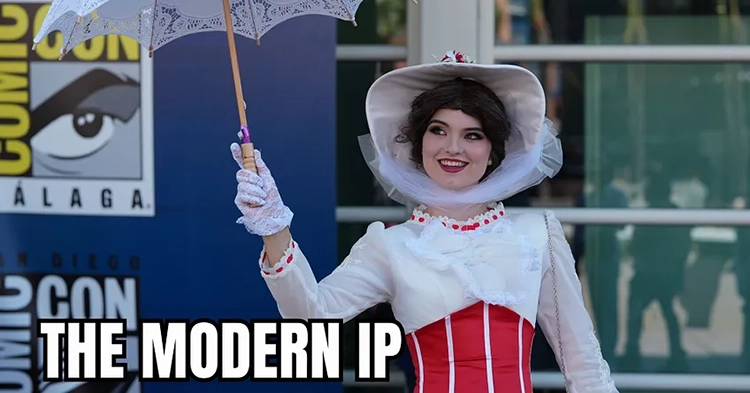
This weekend, 150,000+ fans swarmed San Diego for Comic-Con, but the convention itself tells only part of the story. Beyond the convention center, studios transformed every hotel, storefront, parking lot, and available space into a themed experience.
What struck me most wasn’t the scale, but the convergence happening before our eyes. Theme parks are increasingly leaning into IP-driven experiences, and so, it seems, are conventions like Comic-Con. While theme park scale remains unmatched, that also means significantly more investment and time to produce – constraints that pop-ups don’t suffer from.
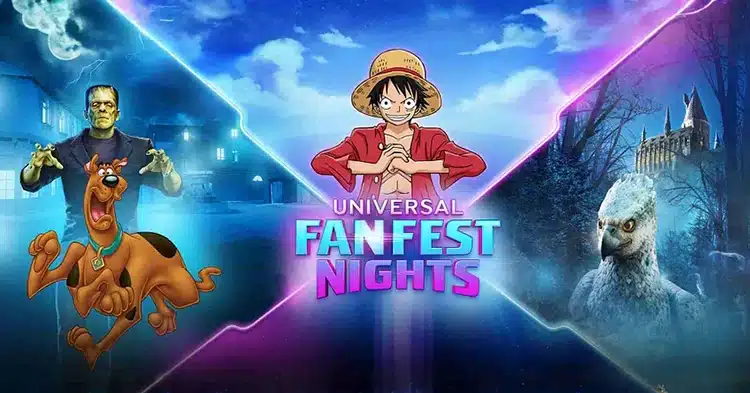
Temporary activations are popping up everywhere—from the Harry Potter touring exhibits to the Universe of Light at Gaylord Texan, to the IP houses at Halloween Horror Nights and even Universal’s FanFest Nights, and Disney’s hard-ticket parties like Pride Nite and Star Wars Nite. Connecting fans with IPs in the real world by creating experiences that can only happen in person is a powerful trend and a hedge against digital competition. So, what can attractions learn from events like comic con? How to test fan engagement.
The Activation Landscape
Before we get into that, let’s explore the diversity of the Comic Con pop-ups.
Disney operated four major waterfront experiences: Abbott Elementary’s “Very Abbott Block Party” featured authentic Philly water ice, a Ferris wheel, and exclusive premiums from the school’s “lost and found.” Percy Jackson invited guests into the “Sea of Monsters” to discover which gods claimed them and trade exclusive drachma for mythological swag. FX’s “The Wreckage” offered an immersive walkthrough of the USCSS Maginot ship, complete with interactive thrills and alien specimens. King of the Hill recreated the Hill family’s backyard BBQ with lawn games, photo ops, and cold cans of Alamo water.
Beyond Disney, formats varied dramatically. Peacock’s Twisted Metal Bumper Battle transformed show vehicles into functional bumper cars for a post-apocalyptic derby experience. The PAC-MAN Café celebrated the character’s 45th anniversary with themed food, arcade games, and nostalgic photo opportunities. Paramount’s “The Lodge” housed multiple activations: a Dexter vault shrine, Star Trek holodeck experiences, a Landman Texas café, NCIS safehouse, Mission: Impossible photo recreation, and a CBS Sports stadium clubhouse.
Each activation tested different engagement models—some focused on merchandise and photo opportunities, others on interactive storytelling, immersive environments, or nostalgic recreation of familiar settings.
Testing Fan Engagement
For attractions considering IP partnerships, Comic-Con activations offer a unique research opportunity. Organic buzz always trumps paid media, and these events certainly generate valuable earned coverage, but the real value lies in observing guest behavior patterns.
Which IPs generated the longest waits? What types of activities kept guests engaged versus those that moved people through quickly? Which merchandise disappeared first? How did guests interact with different formats—passive walk-throughs versus interactive experiences versus character encounters?
These observations won’t definitively predict success, but they provide behavioral data that traditional market research cannot. Streaming numbers or box office receipts don’t reveal whether fans will wait in lines, engage with immersive environments, or convert enthusiasm into repeat visits—the metrics that actually matter for attractions.
Implications for Themed Entertainment
Themed entertainment professionals should watch this space closely to understand what elements work and how fans react to properties in real life. The key insight isn’t just which IPs generated buzz, but how different activation formats resonated with audiences.
Small, fast tests—similar to Comic-Con’s model—can help gather crucial data before committing to permanent installations. These fan events could potentially disrupt larger attractions by demonstrating that temporary experiences, despite lower investment, can meet fan demand by adapting faster to trends.
The market clearly exists for identifying new IPs with strong fan bases and activating those fans through immersive experiences, and it doesn’t have to break the bank. Before investing millions in permanent themed lands, operators can experiment with seasonal overlays, limited-time events, or partnerships that allow them to measure genuine fan passion versus perceived market demand.
NEWS ROUNDUP
New Pokémon theme park set to open in Japan in early 2026
A dedicated Pokémon theme park is coming to Japan’s Yomiuriland in partnership with The Pokémon Company and Yomiuri Land Co.
Launching early 2026, the park will feature rides, themed environments, and interactive games designed to immerse guests in the Pokémon universe.
This is Pokémon’s first full-scale theme park (not just a land or overlay) and will be distinct from Universal’s Pokémon attractions in development for Osaka.
Why it matters:
Pokémon is finally going park-scale. While other IPs test pop-ups and photo ops, The Pokémon Company is going all-in on its own branded destination. For Japan’s domestic and inbound tourism rebound, this adds another heavyweight to the IP resort wars—and reinforces that owning the venue may now be the endgame for the world’s most monetizable franchises. Expect massive fan pilgrimage—and plenty of merch.
Junglia opens in Okinawa with immersive animal-fantasy twist
Japan’s newest theme park, Junglia, opened July 24 on the site of a former golf course near Nago City, Okinawa.
Developed by Katana Inc. (co-owned by Yoshimoto Kogyo), the park combines interactive animal encounters, projection-based fantasy zones, and ride tech in a natural forest setting.
Opening attractions include Beast Runner (a 60 km/h jungle-themed coaster), live shows, and a digital scavenger hunt tied to original IP.
Why it matters:
Junglia is part of Japan’s push to diversify tourism beyond Tokyo and Osaka, using high-concept, mid-scale parks to draw travelers to regional hubs. With original IP and a nature-integrated layout, it’s a case study in how non-legacy operators are building destination experiences that don’t rely on Disney or Universal formulas. A Pokémon park launching in 2026 will only heighten the region’s pull.
Want the unfiltered, gloves-off version of our industry takes?
Green Tagged: Unhinged is where we say what we really think about the latest theme park news. Available exclusively to our Patreon supporters, it’s where we tackle the stories too hot for the main show, debate the industry’s most controversial moves, and occasionally go on therapeutic rants about everything from tariffs to ticketing systems.
Recent Episodes:
- What Makes an IP Popular? Lessons from Comic-Con for Theme Parks
- Hotter Parks, Cooler Guests: How Asia’s Attractions Are Responding to Weather
- Asia’s Comeback? IAAPA Asia & Legoland Shanghai’s Opening
- The Modern Halloween Event: Gaming IPs, Immersion, and $350 previews
- Can Universal Turn Spring Into “Second Halloween”? Inside Fan Fest Nights
- What United Airline’s Strategic Shift Signals for Theme Parks & Tourism
- Comcast’s Cash Machine: Can Epic Universe Replace Dying Cable?